What does
“Save The Bees” mean?
20,000+ bee species.
One shared future.
Protecting honey bees, native bees, and the places they need to thrive.
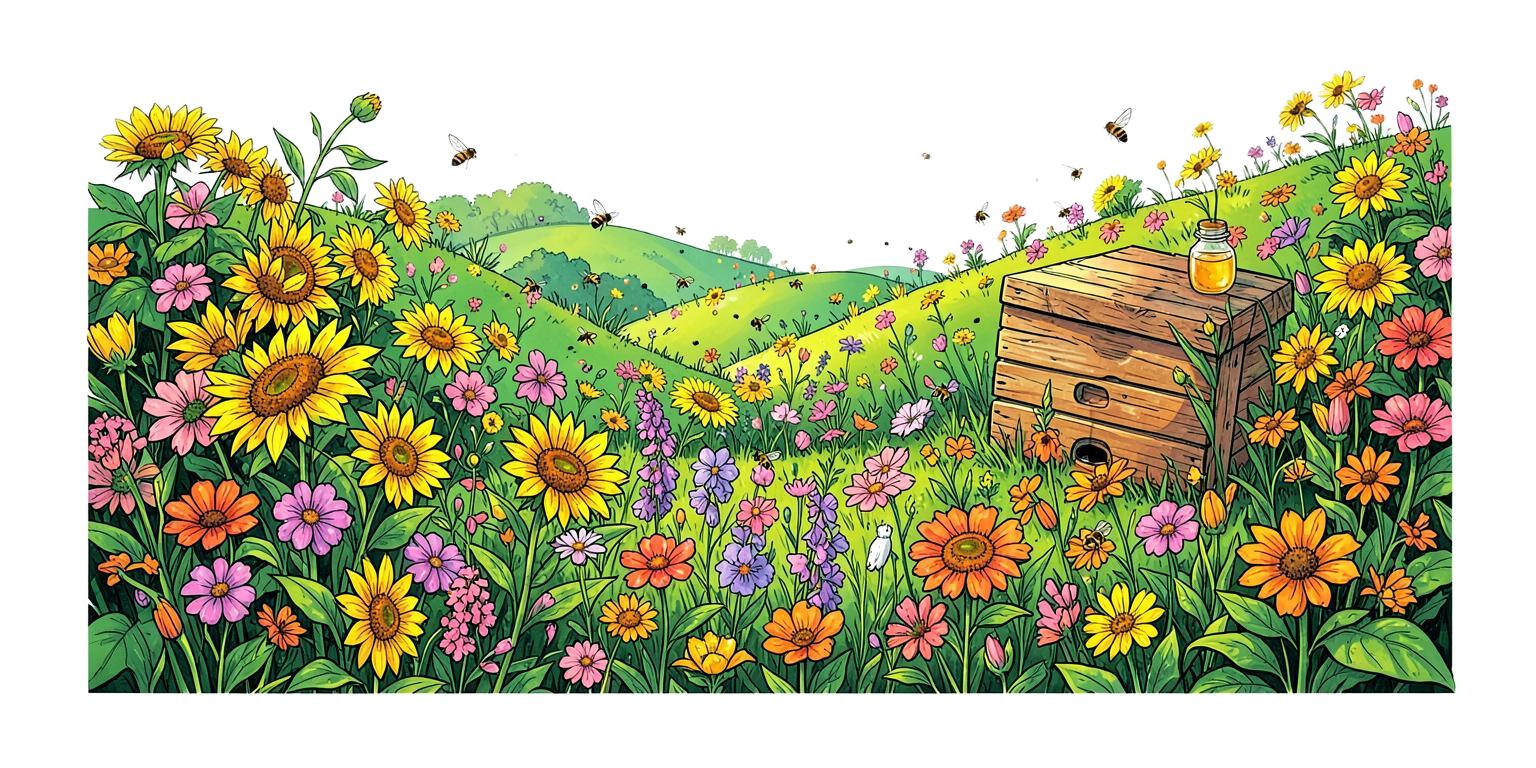
Many bees nest in soil or stems. Saving bees means protecting their world, too.
- Honey beeLives in managed hives
- Bumble beeNests in cavities and grass
- Mason beeNests in hollow stems
- Green sweat beeNests in bare soil
More people.
Fewer reported honey bee colonies.
A U.S. historical snapshot
People
- 1947About 144 million
- 2024About 340 million
Reported honey bee colonies
- 1947About 5.9 million
- 2024About 2.6 million producing honey
A growing population makes healthy pollination systems matter even more.
Historical survey definitions differ. These are U.S. honey bee colony figures, not a count of wild bees or a worldwide trend.
About these numbers
- This is a comparison of dated published snapshots, not a live population counter.
- The modern honey report covers producers with five or more colonies and excludes colonies from which honey was not harvested. Colonies producing honey in multiple states may be counted in each state.
- The historical Census population series includes armed forces overseas; the modern estimate measures residents.
- Management, beekeeping economics, and survey coverage also affect colony counts. This comparison does not establish that human population growth caused bee losses.
- Managed honey bee colonies have increased globally since 1990. That is a separate measure from wild bee conservation.
Why are bees
under pressure?
Three major threats.
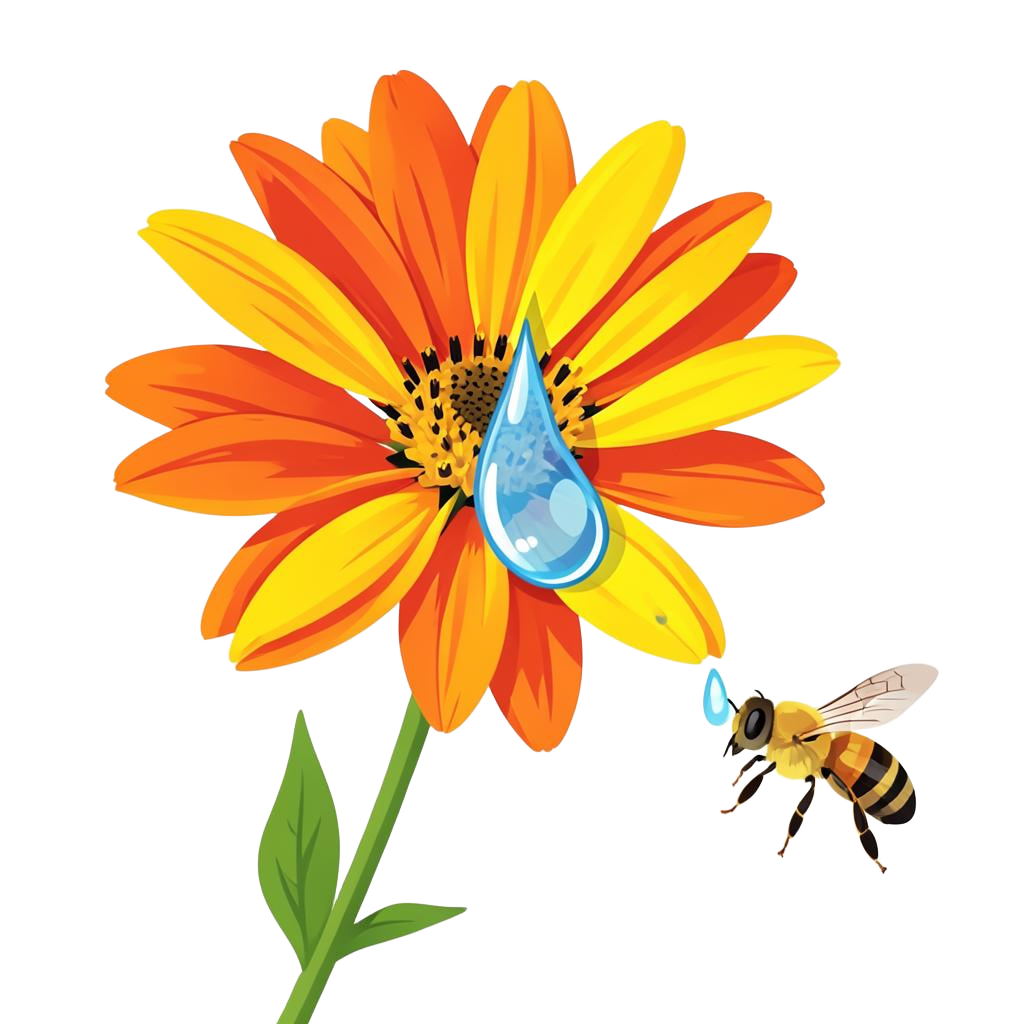
Chemicals
Some pesticides can kill bees or disrupt their ability to find food and reproduce.
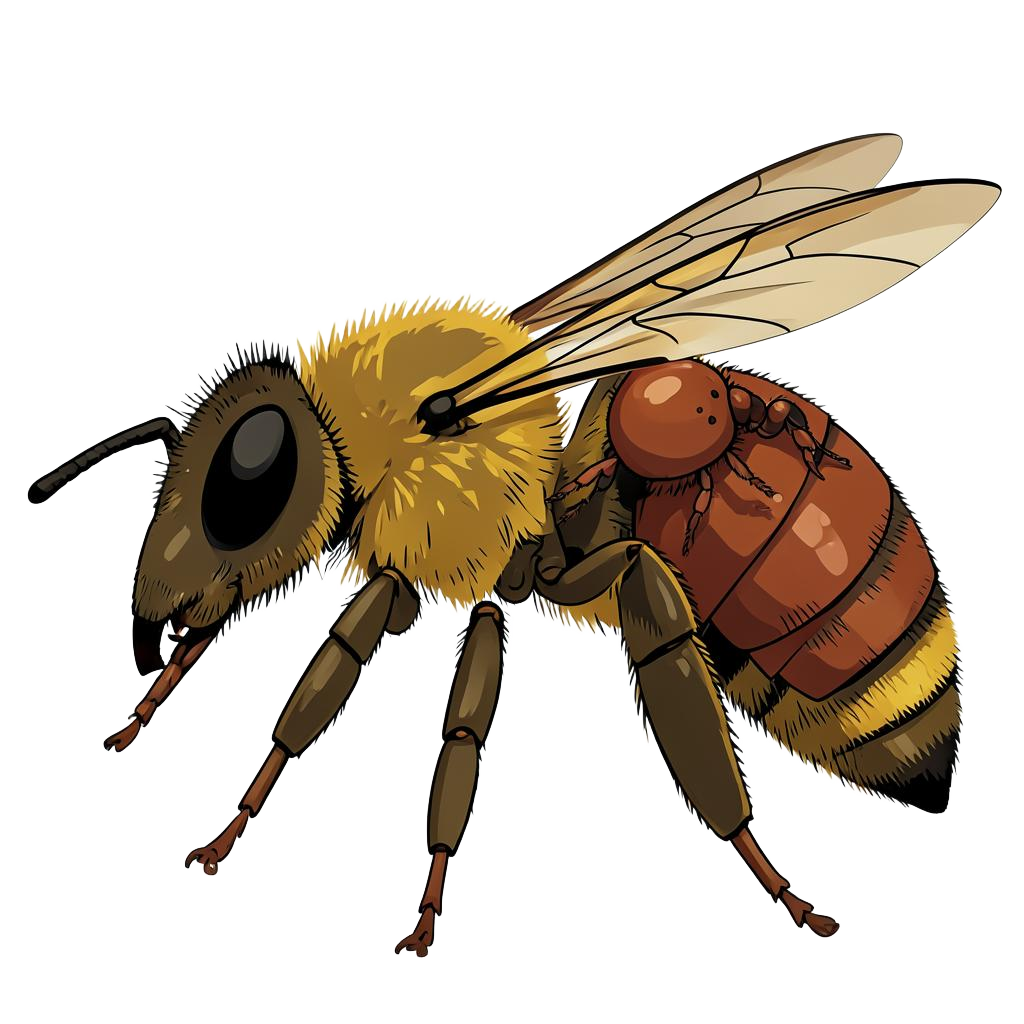
Diseases & Parasites
In honey bee hives, Varroa mites weaken bees and spread damaging viruses.
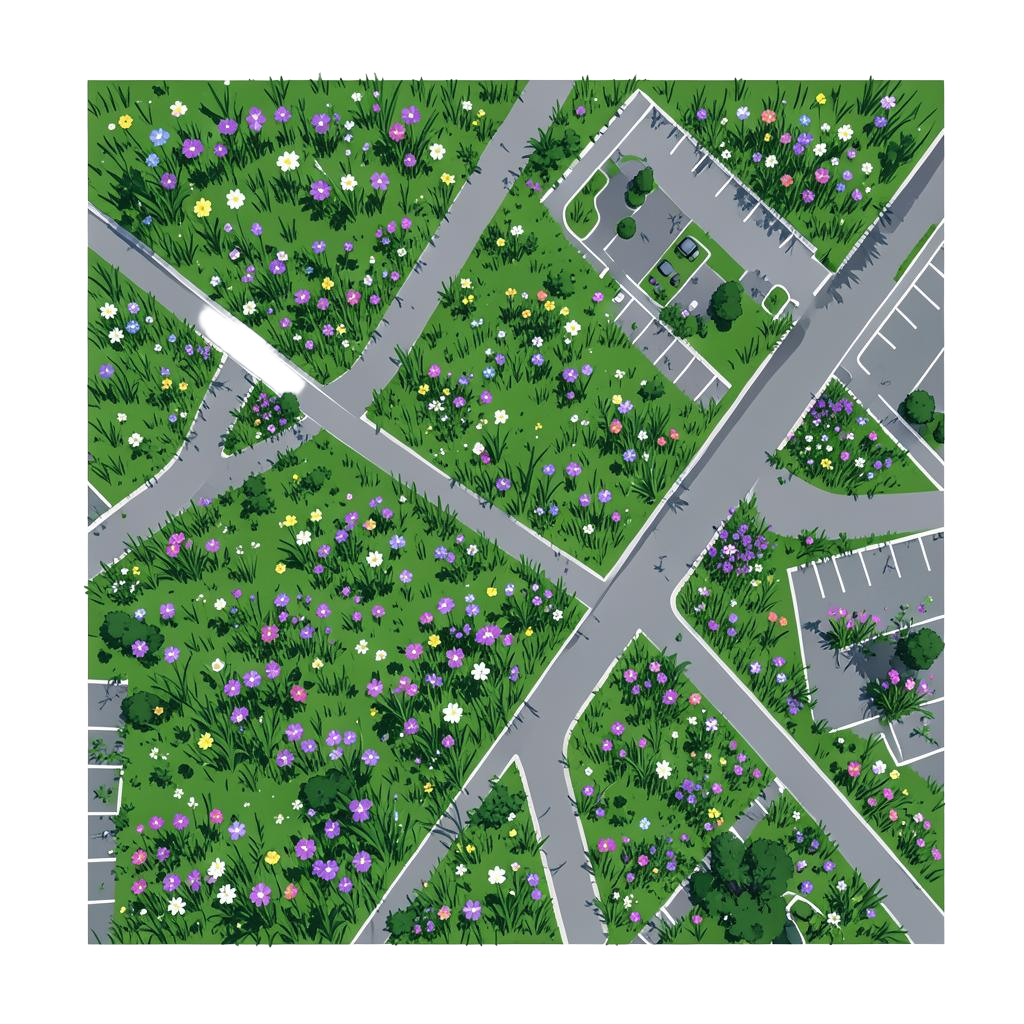
Habitat Loss
Fewer flowers. Fewer nesting places. Less room to survive.
These pressures can overlap.
Small bees.
Big part of our Planet.
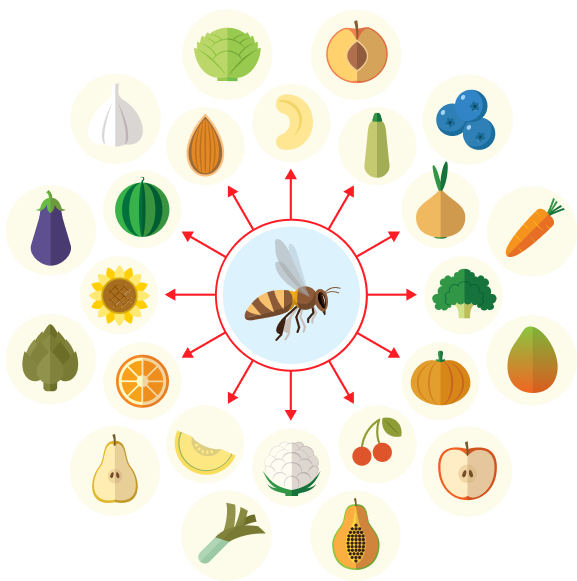
+130
agricultural crops are pollinated by bees in the US.
70%
crops eaten by humans are pollinated by bees.
33%
of food we eat comes from bee-pollinated plants.
How do we
Save The Bees?
Make honey help fund
a wilder future.
Our plan: use hive support and honey sales to fund responsible beekeeping and native bee conservation.
Support research and track results.
Healthy honey bee businesses can help finance protection for bees beyond the hive.
This is our proposed funding model. We do not publish allocation percentages, amounts raised, or restoration results until they are real and verified.
Let’s give the world
more reasons to bloom.
Help power a future with thriving hives and healthy native bee habitats.
Want the full detail on the model, the data, and how we report impact? Read more info.